

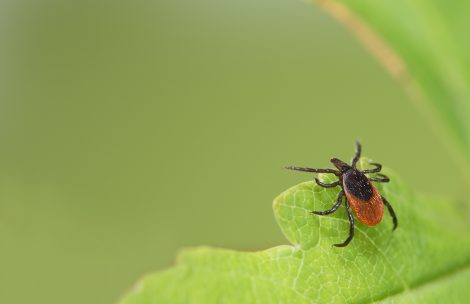
Tick talk: What you need to know about this season’s ticks
Take precautions to avoid being bitten this summer
PRESS RELEASE
April 24, 2026
Tick season is here and Colorado is experiencing higher-than-average tick activity.
“We have seen a few years of increased tick activity, likely due to the wet year that we had in 2023,” said Colorado Department of Public Health Medical Entomologist Chris Roundy. “Since ticks can live for 2 or more years, we are likely still seeing the population spike from that season. Combined with a very mild winter, we are seeing tick activity start earlier than usual this year.”
Removal
Ticks typically require 24-48 hours of feeding before they transmit disease, making prompt removal a critical way to stay safe.
Never use heat, nail polish, or other substances to try to detach a tick from the skin, as these methods can agitate the tick and force infected fluid into the skin.
The safest way to remove a tick is by grabbing the tick as close to the skin’s surface using tweezers or fingers (trying to avoid squeezing the tick’s body). Pull it away without twisting or jerking. If the tick’s mouthparts break off and remain in the skin, your body will push them out over time.
Thoroughly clean the bite area and your hands with soap and water, rubbing alcohol, or hand sanitizer.
Tick-borne diseases in Colorado
- Rocky Mountain spotted fever: Symptoms begin within 3-12 days, causing fever, headache, and rash. It can be deadly – seek medical care (if suspected) for antibiotic treatment.
- Colorado tick fever: Symptoms begin within 1-14 days, causing tiredness, fever, headache, or body aches. There is no specific treatment, and it typically resolves on its own.
Prevention
- Use insect repellents on skin, and treat outdoor clothes with Permethrin
- Wear long sleeves and pants outdoors
- Stick to the middle of trails and avoid bushy wooded areas
- Perform tick checks after time outdoors
- Use a mirror to view all parts of your body, being sure to check under the arms, around the ears, inside the belly button, back of legs, hair, and around groin and waist.
- Use a microfiber cloth to wipe down pets who have been outdoors. The fibers catch non-embedded ticks.
For more information visit the Colorado Department of Public Health and Environment tick-borne disease page.