

Youth Quit Resources
Support for youth to quit smoking
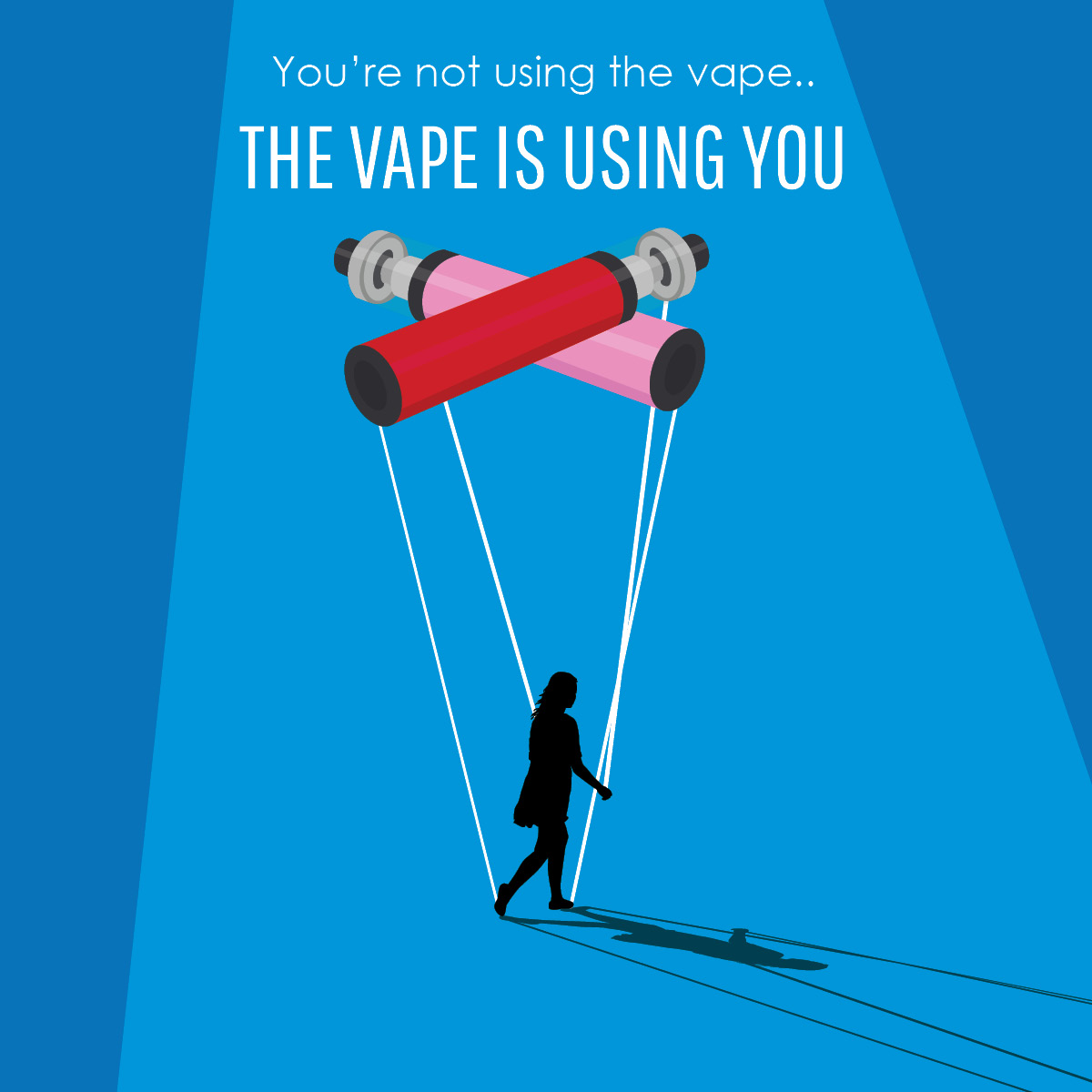
Quit with support. You don’t have to do this alone.
Nicotine isn’t harmless — especially for young people
Nicotine is a highly addictive drug. It changes how your brain works, how you handle stress, and how your body responds to cravings. If you’re under 25, your brain is still developing — and that makes it more vulnerable to addiction.
What nicotine does to your brain
Your brain continues developing until about age 25. Nicotine interferes with that development by:
- Rewiring reward pathways
- Increasing dopamine (the “feel good” chemical) in unnatural spikes
- Making your brain depend on nicotine to feel normal
- Changing how you manage stress and emotions
Over time, your brain starts needing nicotine to avoid feeling irritable, anxious, or unfocused. That’s addiction, and it can happen faster than most people expect.
Why youth get hooked faster
Young brains are more sensitive to nicotine. That means:
- Addiction can develop more quickly
- Cravings can feel stronger
- Withdrawal can feel intense
Even occasional use can lead to dependence. Many vapes contain high levels of nicotine — sometimes as much as a pack of cigarettes or more.
What withdrawal feels like
If you try to stop using nicotine, you might notice:
- Irritability
- Anxiety
- Headaches
- Trouble concentrating
- Strong cravings
These symptoms are uncomfortable — but temporary. They are signs that your brain is adjusting and healing. Support can make this process much easier.
“It’s just vapor” — what about vaping?
Vaping still delivers nicotine into your bloodstream quickly. It may also expose your lungs to chemicals and flavoring agents that were not designed to be inhaled. Nicotine pouches (like Zyn) also contain nicotine and can lead to addiction — even though there’s no smoke.
If a product contains nicotine, it can create dependence.
The good news
Your mind and body can heal when you stop using nicotine:
- After 3-5 days, cravings decrease
- Overall mood improves
- You regain your ability to focus
- Challenges with insomnia are diminished
- Quitting is associated with reduced anxiety, depression and stress
- Heart rate and blood pressure will improve within hours